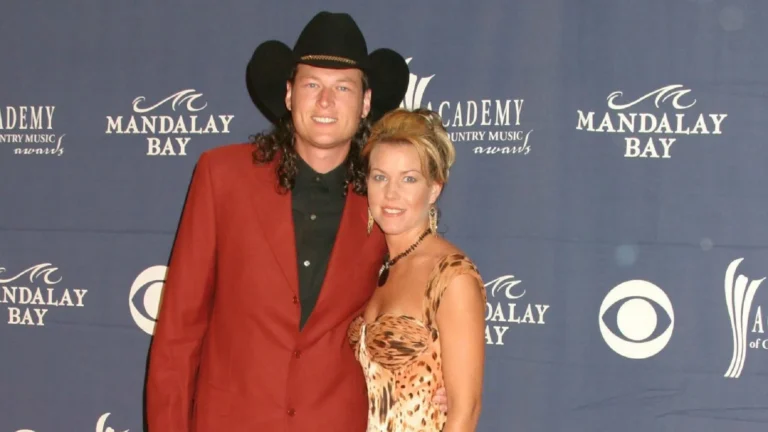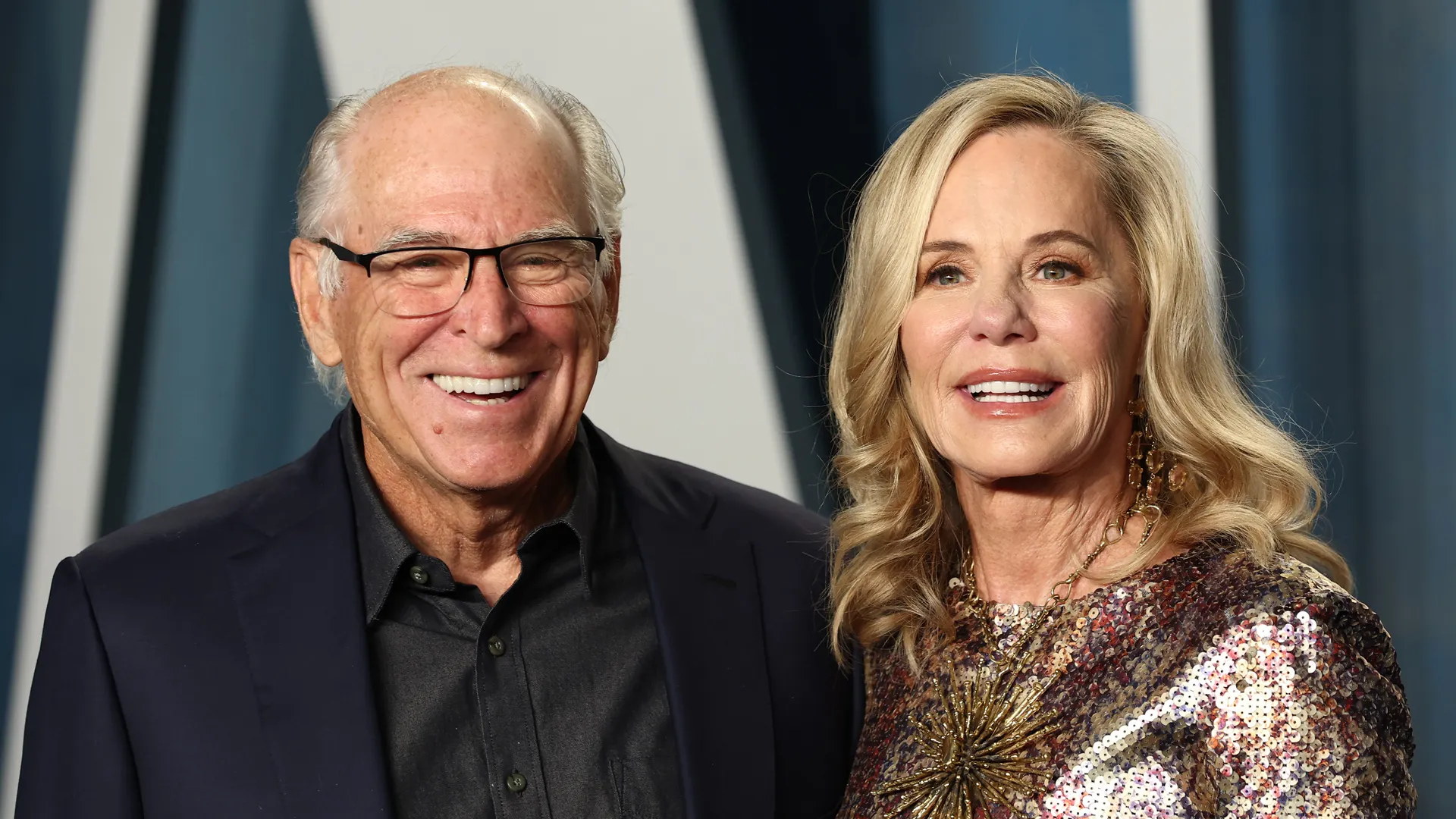
margie washichek
Introduction to bonnie blue
When people hear the name Margie Washichek, they often pause. It is not a name that dominates headlines or flashes across television screens. Yet, in the wider narrative of American music history, particularly in connection with the legendary singer-songwriter Jimmy Buffett, Margie Washichek holds a quiet but meaningful place. She represents a chapter of life that predates fame, fortune, and the tropical escapism that would later define Buffett’s public persona.
In a culture obsessed with celebrity, it is easy to overlook the people who stood beside public figures before the spotlight ever turned on. Margie Washichek’s story is one of privacy, dignity, and distance from the noise of stardom. While she is often remembered primarily as Jimmy Buffett’s first wife, her identity deserves more thoughtful consideration than a simple footnote in someone else’s biography.
This article takes a closer look at Margie Washichek — not through speculation or sensationalism, but through context, historical framing, and a grounded understanding of the era she lived in. By examining her connection to Jimmy Buffett, the cultural landscape of the time, and the importance of privacy in a celebrity-driven world, we gain a more complete and respectful perspective.
Early Life and Background of Margie Washichek
Very little public documentation exists about Margie Washichek’s early life, and that in itself says something important. She was not a performer, public official, or media personality. She was a private individual who happened to intersect with a future music icon at a formative time in his life.
Based on available historical accounts, Margie Washichek grew up in the southern United States, a region that profoundly shaped Jimmy Buffett’s music and storytelling. The Gulf Coast culture, coastal rhythms, and easygoing lifestyle that later influenced Buffett’s signature sound were already embedded in the communities where both of them spent their early years.
Understanding the environment of the American South in the 1960s helps contextualize her story. This was a period marked by social change, shifting cultural norms, and evolving music scenes. It was also a time when many young couples married early, often before careers were fully established. Margie Washichek’s life must be viewed against this backdrop — not as a celebrity tale, but as a human story rooted in a specific historical moment.
Marriage to Jimmy Buffett: Before the Fame
Margie Washichek is most widely known for her marriage to Jimmy Buffett in the late 1960s. At that time, Buffett was not the globally recognized musician he would later become. He was an aspiring artist trying to find his voice in an increasingly competitive music industry.
The two married in 1969, a period when Buffett was still navigating his early career. This was before the release of his breakthrough albums and well before the creation of the “Margaritaville” brand that would eventually grow into a cultural phenomenon. In many ways, Margie was part of Buffett’s life during his most uncertain years — when dreams were big, but outcomes were unknown.
Early marriages during ambitious career pursuits can be both inspiring and challenging. The pressures of financial instability, travel, artistic uncertainty, and shifting priorities often test even the strongest relationships. While the details of their marriage remain private, it is widely understood that the couple eventually divorced in the early 1970s. Their separation occurred long before Buffett’s meteoric rise to fame, which began in earnest later in the decade.
The Cultural Context of the Late 1960s and Early 1970s
To fully understand Margie Washichek’s place in history, we need to consider the broader cultural and musical environment of the time. The late 1960s were transformative years in American music. Folk, rock, country, and blues were merging in new and experimental ways.
Jimmy Buffett was influenced by artists like Bob Dylan and the broader singer-songwriter movement. This era encouraged storytelling through music — often autobiographical, reflective, and emotionally raw. For emerging artists, life experiences frequently became lyrical material.
At the same time, the counterculture movement was reshaping attitudes toward relationships, travel, career paths, and personal identity. Young couples were navigating a world that was rapidly changing. For someone like Margie Washichek, being married to an aspiring musician during this turbulent era likely meant adapting to unpredictability and ambition in equal measure.
Importantly, fame was not guaranteed. Many talented musicians never achieved commercial success. When Margie married Jimmy Buffett, she was not marrying a future icon; she was marrying a man chasing a dream. That distinction matters.
Life After Divorce: Choosing Privacy Over Publicity
One of the most notable aspects of Margie Washichek’s story is what happened after her divorce: she stepped away from public attention entirely. In an age when many former spouses of celebrities write memoirs, give interviews, or seek media attention, Margie chose the opposite path.
This decision speaks volumes. Privacy can be a powerful statement, particularly in a world that often rewards visibility. By remaining out of the spotlight, she ensured that her identity would not be defined by media narratives or tabloid speculation.
Her absence from public discourse has also contributed to a sense of mystery. However, mystery should not be confused with drama. In many cases, it simply reflects a deliberate choice to live a normal life. Margie Washichek appears to have valued personal boundaries over public curiosity — a choice that deserves respect.
Jimmy Buffett’s Rise and the Changing Narrative
As Jimmy Buffett’s career flourished in the 1970s and 1980s, the narrative around his life naturally focused on his music, his brand, and his larger-than-life persona. Songs like “Margaritaville” transformed him into a symbol of escapism and island-inspired leisure.
Buffett eventually remarried, building a long-term partnership with Jane Slagsvol. His personal life stabilized alongside his professional success. As his fame grew, earlier chapters of his life — including his marriage to Margie Washichek — became brief historical notes rather than central themes.
It is important to understand that early relationships often shape who people become, even if they do not last. The experiences, struggles, and emotional landscapes of those formative years likely influenced Buffett’s songwriting and perspective. While Margie Washichek may not have been publicly credited in lyrics or interviews, being part of someone’s early adulthood is never insignificant.
The Role of Early Relationships in Creative Development
Artists often draw inspiration from their personal lives, especially in their early careers. Struggles, heartbreak, ambition, and uncertainty frequently become the raw material for creativity. In the case of Jimmy Buffett, his early years were filled with experimentation — musically and personally.
Though there is no public record detailing how Margie Washichek influenced specific songs, it is reasonable to acknowledge that early partnerships contribute to emotional growth. The experience of marriage, responsibility, and eventual separation can profoundly shape a person’s worldview.
Creative development rarely happens in isolation. It is shaped by conversations, shared dreams, disappointments, and lessons learned. Margie Washichek was part of that chapter in Buffett’s life, whether quietly or prominently. Her presence in those formative years forms part of the foundation upon which later success was built.
Media Silence and Historical Gaps
One challenge in writing about Margie Washichek is the lack of extensive public documentation. Unlike celebrities, private individuals are not obligated to share their lives with the public. This creates gaps in the historical record — but gaps are not flaws.
In many ways, the scarcity of information reinforces her commitment to privacy. It also highlights how celebrity culture often centers only one side of a story. While biographies of Jimmy Buffett mention his first marriage, they rarely explore it in depth.
From a historical standpoint, this absence reminds us that not every influential life is publicly chronicled. Many people contribute quietly to the journeys of others without seeking acknowledgment. Margie Washichek’s story fits into this broader pattern of understated significance.
Public Curiosity vs. Personal Boundaries
There is an undeniable public curiosity surrounding the early lives of famous individuals. Fans want to know about first loves, early struggles, and untold stories. However, curiosity must be balanced with respect.
Margie Washichek never positioned herself as a public figure. She did not build a platform based on her past marriage, nor did she leverage it for visibility. In doing so, she drew a clear boundary between her private life and the public’s interest.
This distinction is crucial in the digital age, where information spreads rapidly and personal details are often scrutinized. Her choice to remain silent stands as an example of reclaiming narrative control by opting out entirely.
Legacy Through Association — and Beyond It
When discussing Margie Washichek, it is easy to define her solely through her association with Jimmy Buffett. However, that framing is incomplete. Every individual has a life story beyond their most famous connection.
While historical records emphasize her role as Buffett’s first wife, it is reasonable to assume she pursued her own ambitions, relationships, and experiences after their divorce. The fact that those details are not widely published does not diminish their importance.
Legacy is not always about public recognition. Sometimes it is about dignity, discretion, and the ability to move forward without being overshadowed by someone else’s fame. In that sense, Margie Washichek’s legacy may be defined by quiet strength rather than celebrity.
Conclusion:
Margie Washichek occupies a small but meaningful place in American music history. As the first wife of Jimmy Buffett, she was part of his life during a time of ambition and uncertainty. Their marriage occurred before the bright lights of success, before sold-out concerts, and before the global recognition that would follow.
Her story reminds us that behind every public figure is a network of private relationships that shaped their journey. Not all of those relationships endure, and not all of them become public narratives. Yet they matter.
In choosing privacy over publicity, Margie Washichek demonstrated something increasingly rare in modern culture: restraint. While the world celebrated Buffett’s rise, she stepped away from the spotlight. That decision, quiet as it may seem, speaks volumes about character and personal values.
Ultimately, Margie Washichek’s story is less about fame and more about perspective. It encourages us to look beyond headlines and remember that history is made not only by stars, but also by the people who shared their early paths — even if only for a season.
About the Author